

ERP essentials5 min read
InvoiceNow for GST-registered businesses: the dates, and what to do now
Who must send invoice data to IRAS through InvoiceNow, and when: every phase from November 2025 to April 2031.
DeadlinesE-Invoicing by Dec 31, 20262026 Computerized Books in ORUS by Jan 30, 2027E-Invoicing Dec 31 · ORUS Jan 30
Check ReadinessSpreadsheets are how most companies start, and for a while they work. These are the signs the business has quietly outgrown them, and what a sensible next step looks like.
By TechNext · · Updated · 4 min readERP essentials
The short version
If three or more of the signs below sound familiar, the spreadsheets are costing more than they save. The fix is rarely "buy everything at once": map how orders, stock and money move, then put the busiest part on one system first.
Nobody decides to run a company on spreadsheets. It happens one sensible file at a time: a price list, a stock count, an order tracker, a commission sheet. Each one solves a real problem. Then the company grows, and the files start working against each other. Many of the companies TechNext works with come to us at exactly this point. Here are seven signs to look for.
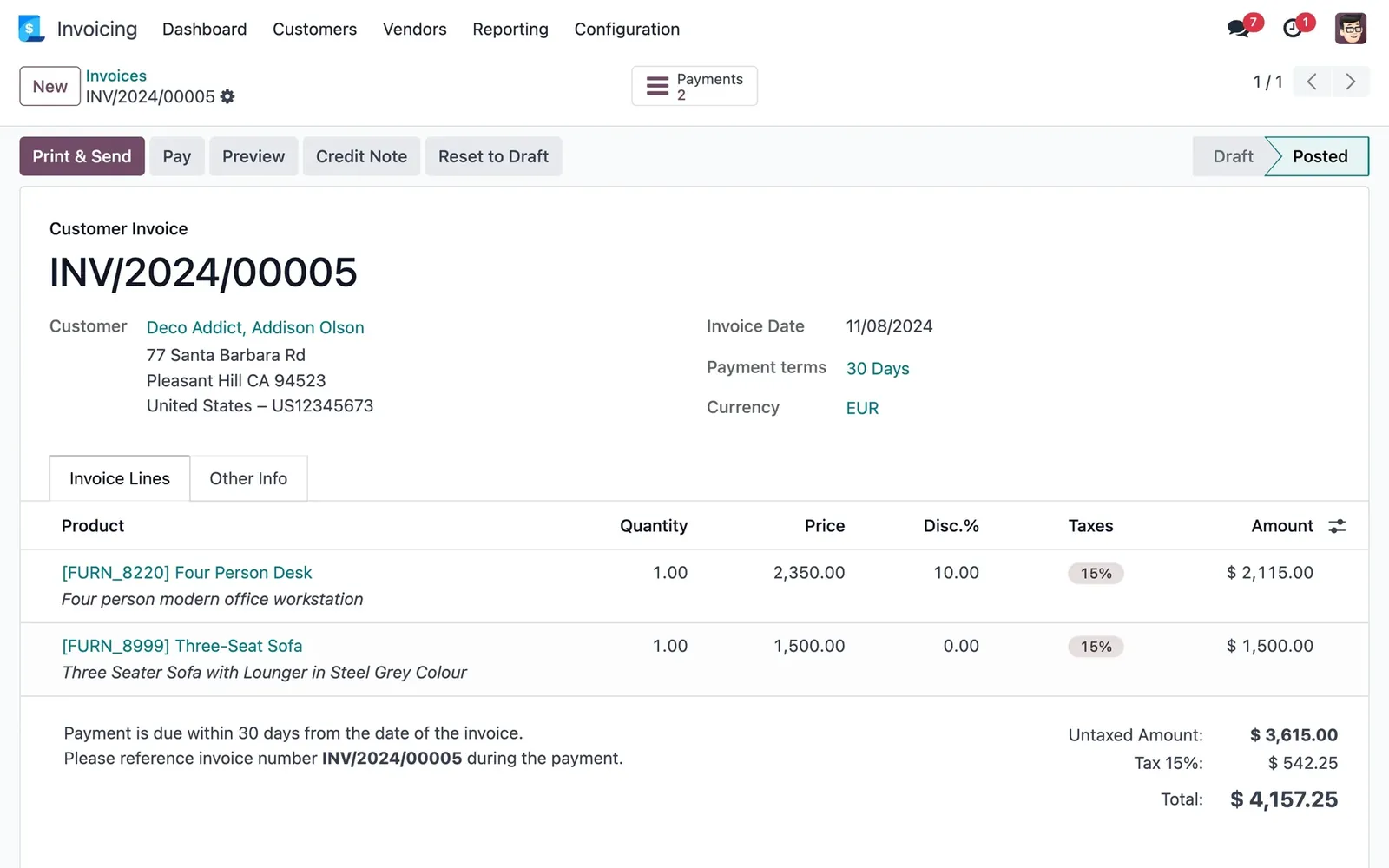
An order arrives by email, goes into the order sheet, then into the accounting software as an invoice, then into the stock file. Every re-entry is time spent, and a chance to get a number wrong. If the same customer, product or amount is keyed in two or three places, the business is paying people to be the integration.
When the answer to "do we have it?" is "let me check the shelf", the stock file is behind reality. Oversold orders, surprise stock-outs and emergency purchases follow. Real stock tracking needs every sale, receipt and adjustment to update the same record, the moment it happens.
If closing the month means matching bank statements to invoices by hand, chasing missing bills and reconciling the sales sheet against the books, finance is doing clean-up, not accounting. With connected systems, most of that matching is done as transactions happen, and month-end becomes a review.
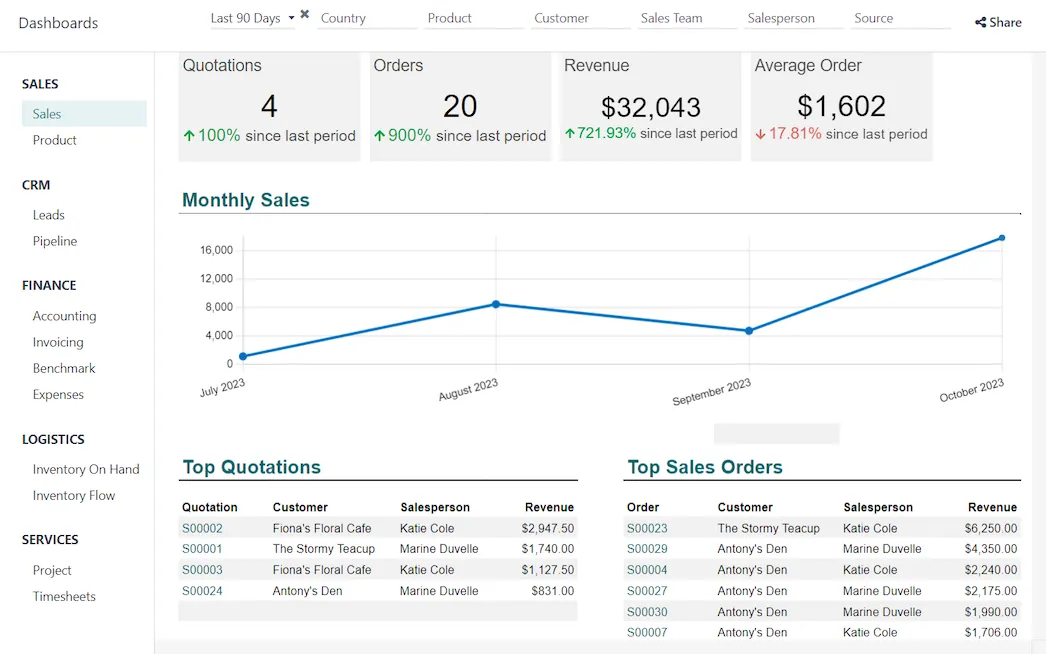
Management asks a simple question: which products made money last quarter? Answering it takes a day of copying data from three files into a fourth. When reports are that expensive, they get produced less often, and decisions get made without them.
Every spreadsheet-run business has one: the file with the formulas only its author understands. When that person is on leave, or leaves, part of the business stops. That is a risk, not a filing preference.
If every jump in orders needs another admin hire to keep up with data entry, the process does not scale. Growth should mostly add volume to the same system, not headcount to feed it.
"Has my order shipped?" "Did you get my payment?" "What did we order last time?" When answering means searching inboxes and asking a colleague, customers notice. In one system, the answer is on the customer's record.
| Question | If the answer is yes |
|---|---|
| Is any order or invoice typed in more than one place? | Connect sales, stock and invoicing |
| Do stock counts regularly disagree with the file? | Track stock on every movement |
| Does month-end take more than a few days? | Automate bank reconciliation |
| Does a key report depend on one person? | Move reporting onto live data |
What fixes it
The way in
Seven signs: the same data typed more than once, a stock number nobody trusts, a week-long month-end, reports that mean someone stays late, one person holding the key file, growth that adds people rather than output, and customer questions you can't answer quickly.
If three or more sound familiar, the spreadsheets are costing more than they save.
The answer is usually an ERP, but the way in matters more than the choice of software. Three rules keep it manageable:
This is how TechNext runs Odoo projects: a discovery session that maps your processes, a first phase built on Accounting, Sales and Inventory, and data migrated and reconciled on a staging copy before anyone switches over.
When the spreadsheets create more work than they save: data typed twice, stock you can't trust, slow month-ends, or reports that depend on one person. The trigger is friction, not company size.
No. With a modular ERP such as Odoo you can start with the apps where money and stock move, usually Accounting, Sales and Inventory, and add others later on the same database.
Yes. Customers, vendors, products and opening balances can be imported. TechNext cleans and loads them on a staging database and reconciles balances before go-live.

About TechNext. TechNext Pte. Ltd. is a BIR compliance and integration partner for accounting firms and finance teams: an Odoo Ready Partner headquartered in Singapore, with its main development and consulting hub in Taguig City, Metro Manila. We plug Odoo into the system you already run, and our own experts implement it end to end (discovery, configuration, data migration, training and support), set up with the Philippine (BIR) and Singapore (GST) localisations, for clients in 25+ countries. We are not affiliated with, accredited by or acting for the BIR or any government agency, and we do not file or register on your behalf. About us · Get my custom blueprint
Who must send invoice data to IRAS through InvoiceNow, and when: every phase from November 2025 to April 2031.
Registering manual, loose-leaf and computerized books in ORUS: deadlines, the BIR's step-by-step guide, the QR stamp and common mistakes.
Pre-printed ATP invoices vs system-generated invoices: who needs an ATP, back-up booklets for a CAS or POS, no more five-year expiry, and the Odoo invoice layout.
TechNext sets up your Odoo, can build your website and brand on it, and stays on after go-live, in Singapore and the Philippines. An adviser reviews your situation first.
2027 BIR Audit Guide · sent by our team
Four details. A BIR Compliance Expert sends the guide to your work email within one business day. Inside: the eLA rules, the 10-day document rule, what examiners ask for, and a routine for audit requests.


