
BIR compliance7 min read
EOPT invoice rules: what your invoice must show, and how to set it up in Odoo
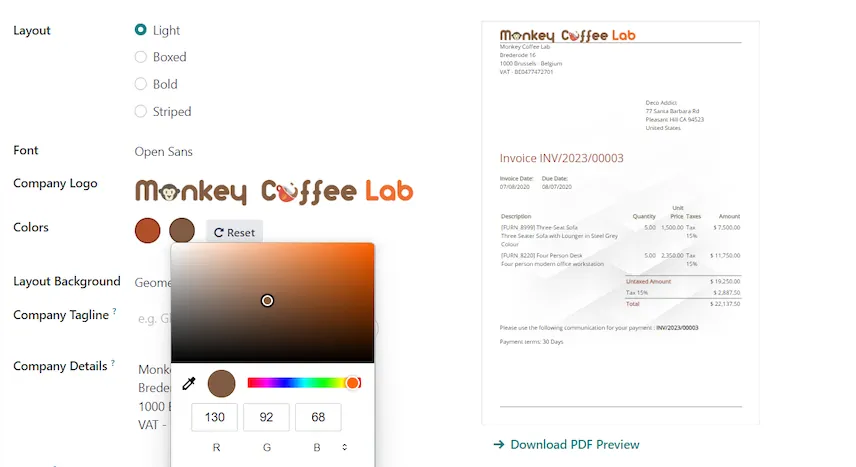
The invoice replaced the OR: every field RR 7-2024 requires, the buyer-TIN rule, converted receipts and the Odoo invoice layout.
DeadlinesE-Invoicing by Dec 31, 20262026 Computerized Books in ORUS by Jan 30, 2027E-Invoicing Dec 31 · ORUS Jan 30
Check ReadinessThe BIR wants covered taxpayers issuing electronic invoices by 31 December 2026. Here is who is covered, what the new rules ask for, and what preparing your Odoo database involves.
Prepared by the TechNext Philippines Odoo and finance team, Taguig City.
By TechNext · · Updated · 5 min readBIR compliance
Key takeaways
The Philippines is moving invoices online. The Bureau of Internal Revenue (BIR) now requires covered businesses to issue electronic invoices, not just print them from a system. The deadline is close: 31 December 2026. TechNext runs Odoo projects from our hub in Taguig City, so this date sits in every Philippine plan we write. This guide sets out what the rules say, and what it means if you run Odoo.
Three issuances matter. RR 11-2025 set the framework for e-invoicing and electronic sales reporting. RR 26-2025, published on the BIR website on 16 October 2025, amended its transition rules and moved the deadline to 31 December 2026 (see KPMG's summary). Then on 22 September 2026, the BIR issued RMC 98-2026 with the working guidelines, and kept the same date (see Grant Thornton's alert and the Daily Tribune report).
| Group | Status |
|---|---|
| Small, medium and large taxpayers selling through e-commerce or internet transactions | Covered by 31 Dec 2026 |
| Taxpayers under the Large Taxpayers Service (LTS) | Covered by 31 Dec 2026 |
| Large taxpayers under the Ease of Paying Taxes Act (RA 11976) and RR 8-2024 | Covered by 31 Dec 2026 |
| Taxpayers using a Computerized Accounting System (CAS) or Computerized Books of Accounts (CBA) with invoicing software | Covered by 31 Dec 2026 |
| Exporters, incentive-registered enterprises, POS users and others | Later, once a separate regulation is issued |
| Micro taxpayers | Exempt |
The BIR Commissioner can add other taxpayers. If you are unsure which group you are in, check with your accountant or your BIR revenue district office.
Sales reporting is a separate obligation. EIS stands for Electronic Invoicing and Sales Reporting, and your system must be able to send the required sales data to the BIR, but RMC 98-2026 applies the sales reporting itself only once the BIR issues its rules for it. For background on how the rules took shape, read Grant Thornton's countdown piece, written on the draft guidelines before RMC 98-2026 was issued.
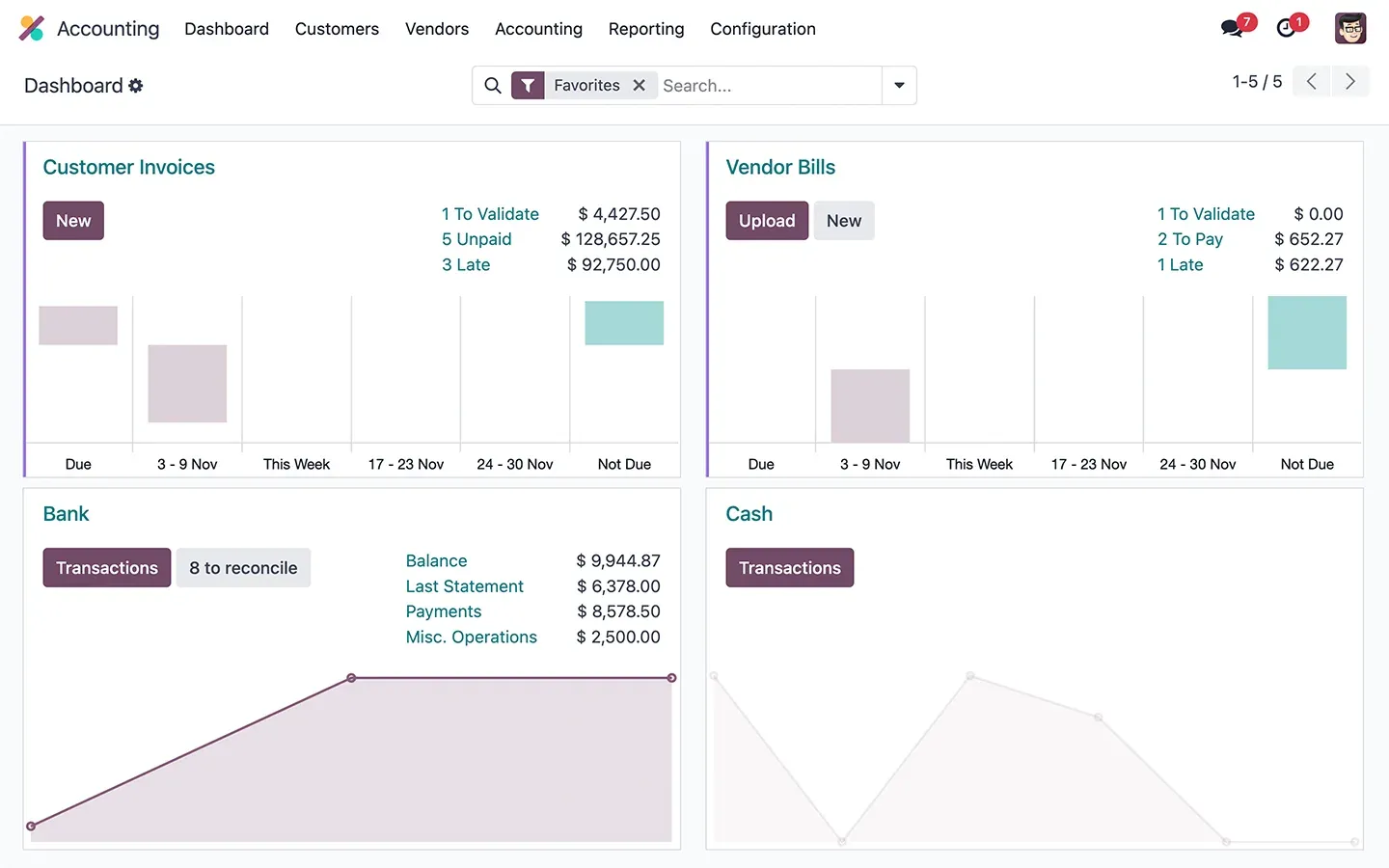
Odoo has a Philippine localisation. According to Odoo's documentation, it includes:
That is a solid base for day-to-day BIR work. The same documentation does not mention e-invoicing or EIS, so there is no switch to turn on.
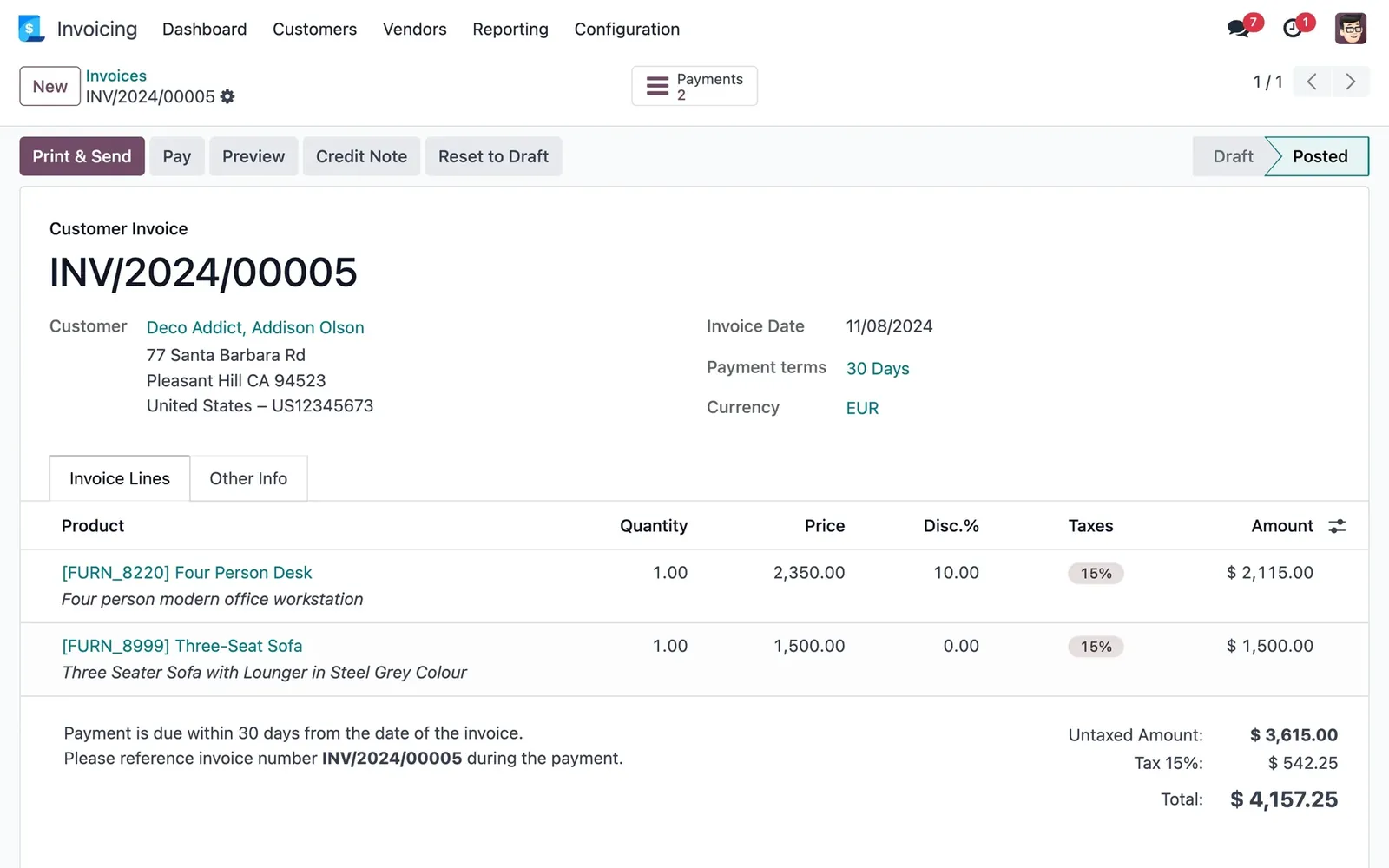
We set up Odoo with you and prepare the system side of your papers. The BIR steps stay yours. In practice, that means:
You don't need to hire your own team. TechNext sets up Odoo's invoicing for BIR requirements, scopes any EIS connection separately, and stays on after go-live, through our Odoo support. For the bigger picture, read about Odoo in the Philippines.
Rules change. This article reflects RR 26-2025 and RMC 98-2026 as summarised by the sources linked above, as of October 2026. Always check the latest BIR issuances and confirm with your accountant or the BIR before acting.
We set up sequenced invoice series per branch, lock issued invoices and prepare the transmission so your system issues e-invoices on or before 31 December 2026 (RR 26-2025, kept by RMC 98-2026). Your accountant or RDO confirms whether you are covered.
No. The BIR's guidelines exempt micro taxpayers from the mandatory e-invoicing requirement.
No. Under RMC 98-2026 the registration of your CAS authorises the system, not e-invoicing: you also need a Permit to Issue (PTI) Electronic Invoice before you issue any e-invoice, and EIS Certification within six months of the PTI. See BIR CAS set-up.
Odoo's Philippine localisation covers taxes, withholding and BIR reports such as 2550Q, SLSP, SAWT, QAP and a 2307 export. Its documentation does not mention EIS. Odoo has no built-in connection to the BIR's EIS, and TechNext has not built one. If you are covered, we assess the options with you and quote any connection separately.
Yes, on the Odoo side. Our team in Taguig City goes through your group with you and your accountant, sets up Odoo's invoicing for BIR requirements, assesses any EIS connection separately, and stays on after go-live. You file your PTI and other applications yourself, and we cannot promise BIR approval or a date.

About TechNext. TechNext Pte. Ltd. is a BIR compliance and integration partner for accounting firms and finance teams: an Odoo Ready Partner headquartered in Singapore, with its main development and consulting hub in Taguig City, Metro Manila. We plug Odoo into the system you already run, and our own experts implement it end to end (discovery, configuration, data migration, training and support), set up with the Philippine (BIR) and Singapore (GST) localisations, for clients in 25+ countries. We are not affiliated with, accredited by or acting for the BIR or any government agency, and we do not file or register on your behalf. About us · Plan my EIS integration
The invoice replaced the OR: every field RR 7-2024 requires, the buyer-TIN rule, converted receipts and the Odoo invoice layout.
CAS vs CBA, the Acknowledgement Certificate, the documents the BIR asks for, and how the e-invoicing PTI fits on top.
Branch codes, invoices per branch, consolidated VAT and e-invoicing PTIs: running Philippine branches in Odoo.
TechNext sets up your Odoo, can build your website and brand on it, and stays on after go-live, in Singapore and the Philippines. An adviser reviews your situation first.
2027 BIR Audit Guide · sent by our team
Four details. A BIR Compliance Expert sends the guide to your work email within one business day. Inside: the eLA rules, the 10-day document rule, what examiners ask for, and a routine for audit requests.